
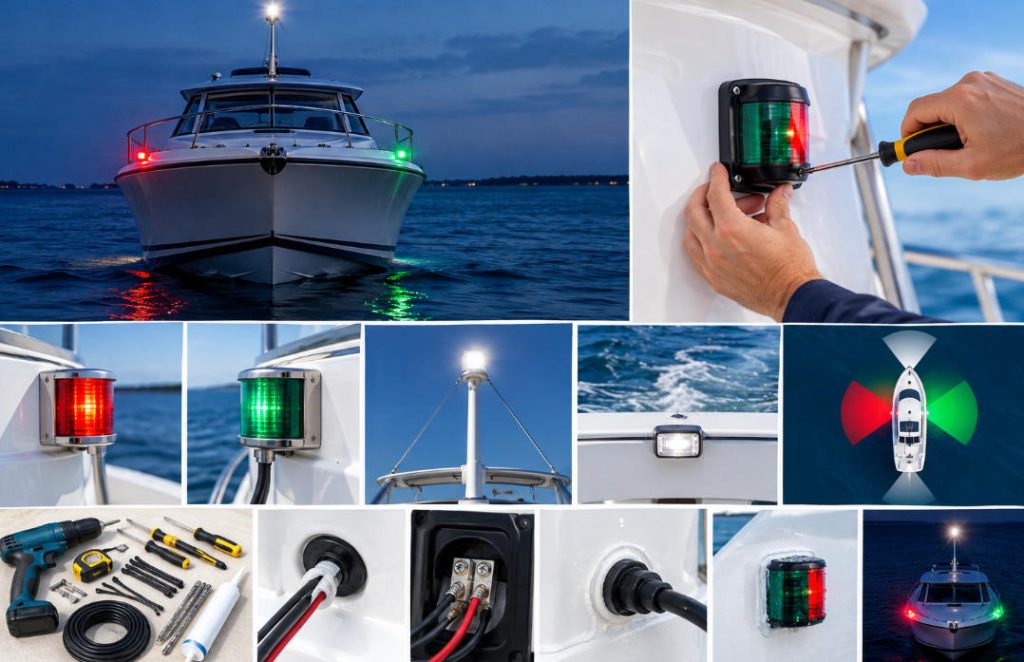
How to Install Marine Navigation Lights Correctly
Navigation lights are key safety equipment for boats, yachts, fishing vessels, and commercial ships. They let nearby boats read a vessel’s location, heading, and basic operating state, especially vital during nighttime navigation, periods of reduced visibility,…
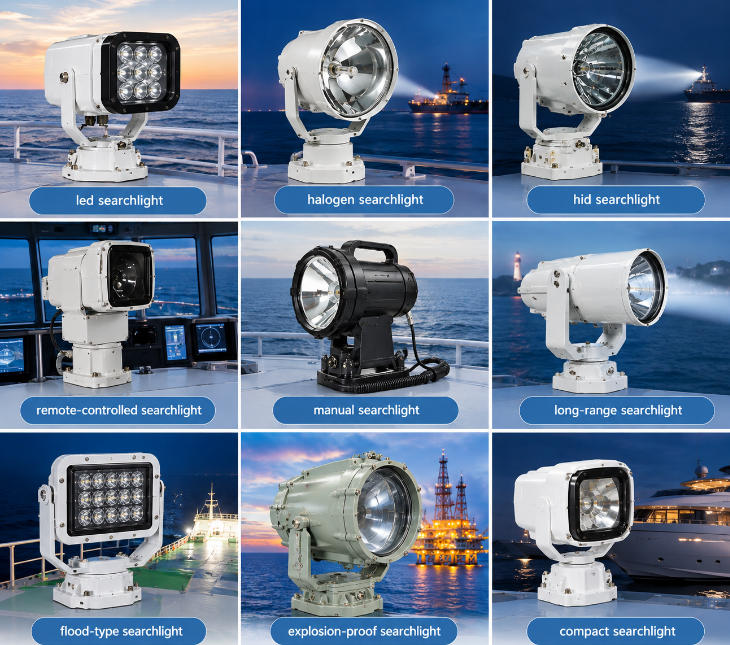
How to Select the Right Marine Searchlight for Different Applications
Marine searchlights are key lighting equipment for ships that work at night, in low visibility, or in rough marine conditions. They give powerful, focused illumination for navigation, search and rescue, docking, offshore work, and shipboard safety…
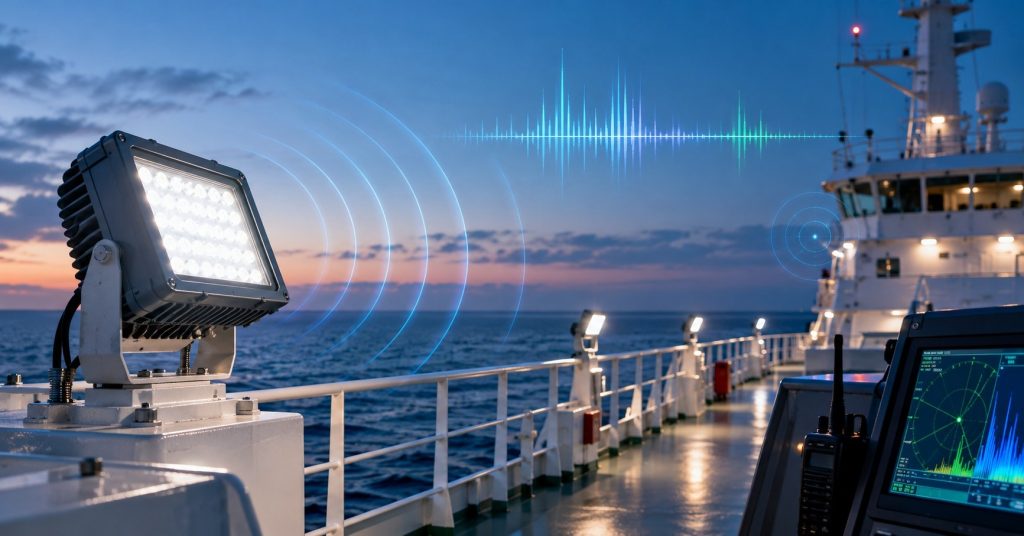
Marine Lighting EMC and EMI: Preventing Interference with Onboard Electronics
A LED marine lighting setup can seem to run perfectly. However, it can still produce electromagnetic noise in the background. This noise can disrupt navigation and radio communication on board. In order to maintain the stability of…
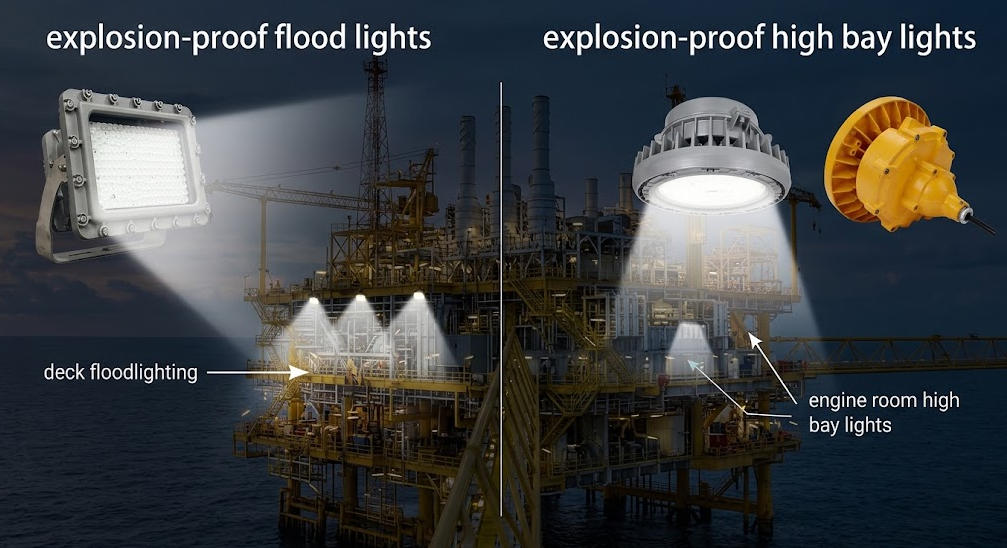
Explosion-proof Flood Lights vs. Explosion-proof High Bay Lights for Marine Applications
Marine environments need lighting that keeps working when conditions get rough. On offshore rigs, vessels, harbors, and ship repair yards, lights face salt spray, moisture, constant vibration, and fast temperature swings. Some zones also have risky…
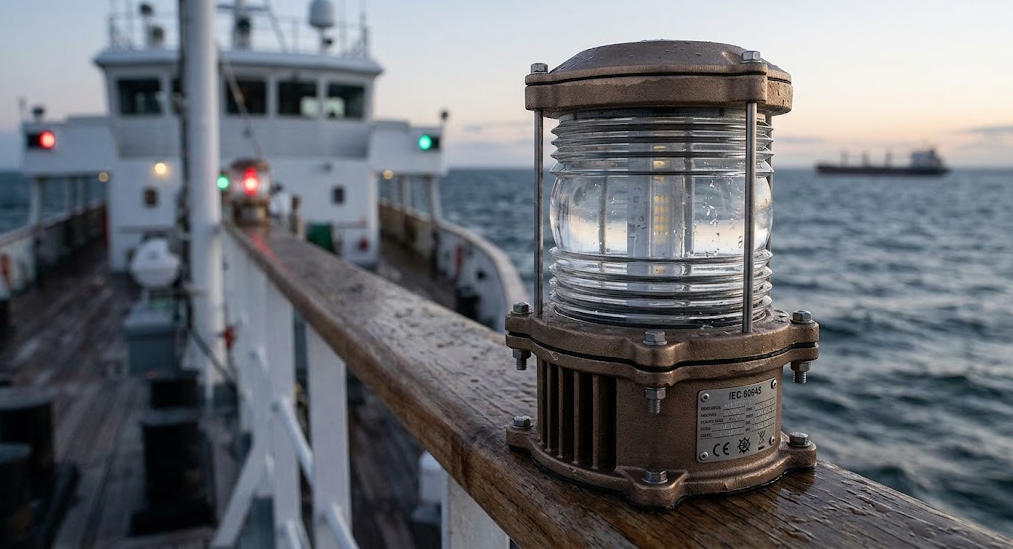
IEC 60945 for Marine Navigation Lights: How to Ensure Compliance
Navigation lights are safety devices enabling ships recognize each other’s location, heading, and basic status while underway. On the water, the lights face constant strain. It has to deal with shaking, salt spray, big temperature swings, radio and…
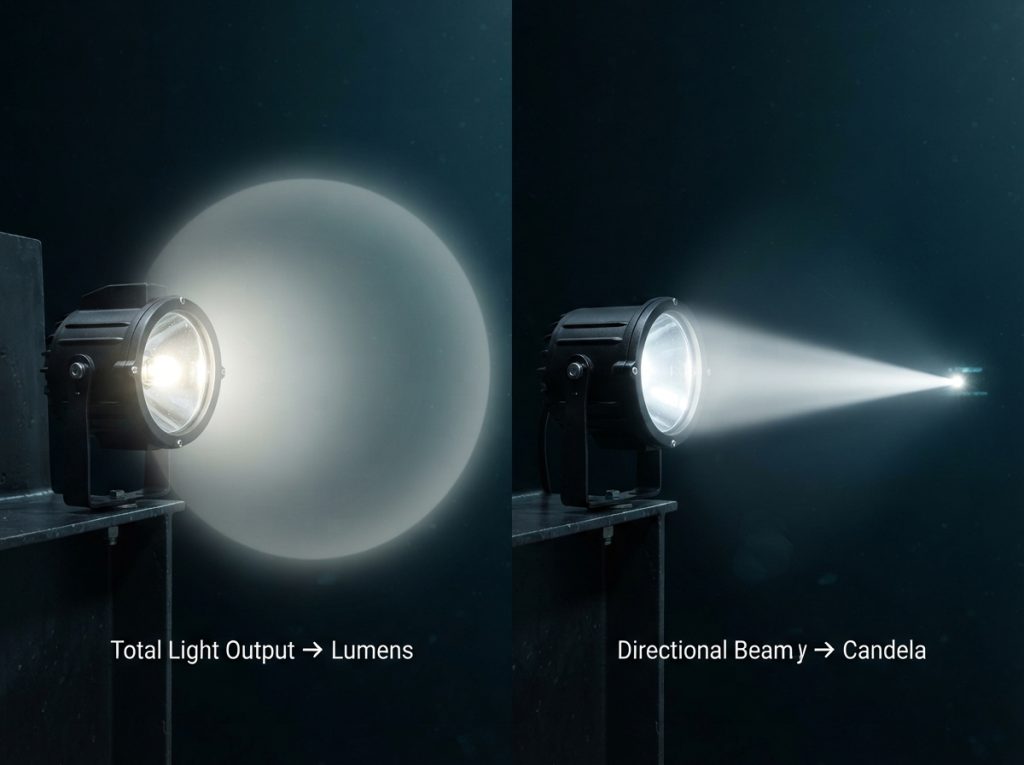
Lumens vs Candela: How to Evaluate Marine Spotlight Performance
In assessing the performance of a marine spotlight, the lumen measurement of light is usually among the first data mentioned in a product specification sheet. Nevertheless, luminous flux alone is not enough to give an idea…
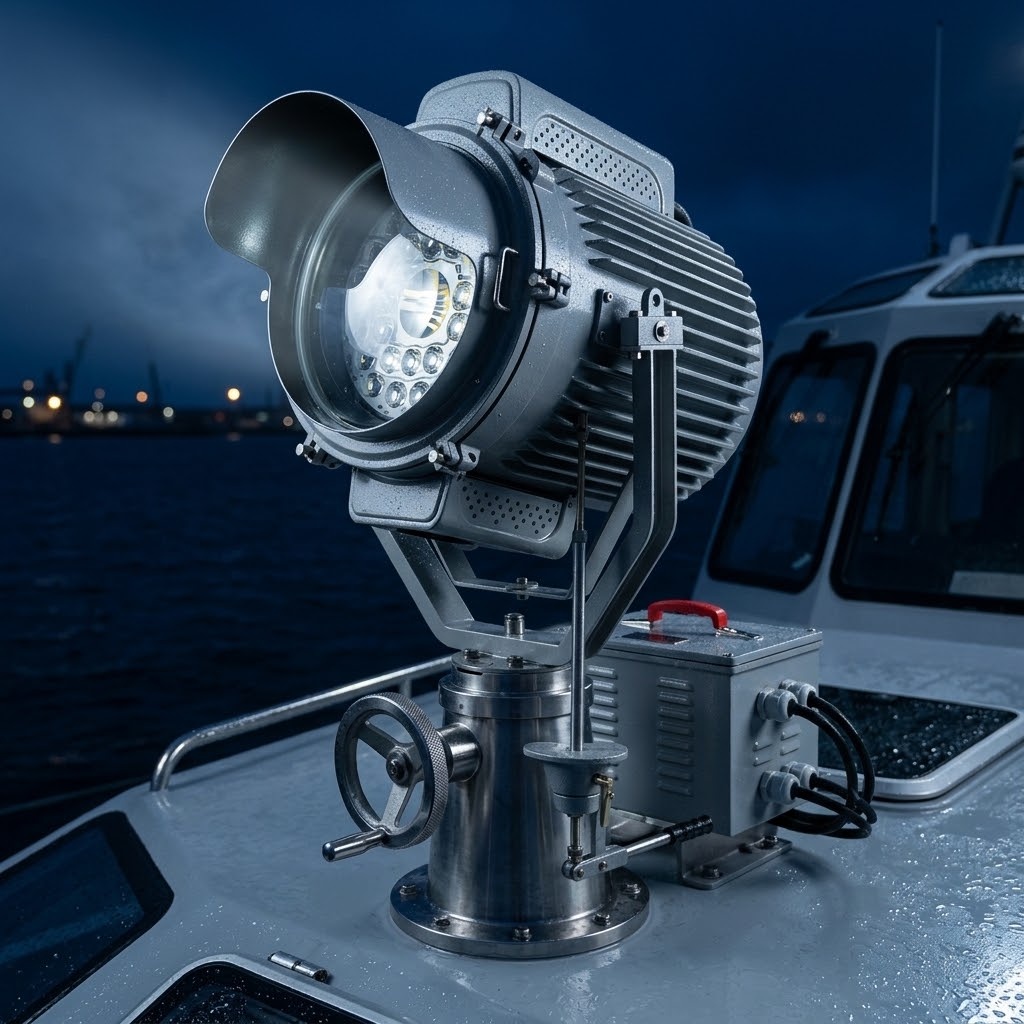
Marine Spotlights for Pilot Boats Lighting for Night Pilot Transfer
Night pilot transfer is a demanding lighting application. The pilot boat may be operating alongside a much larger vessel, while the pilot ladder, boarding point, hull and deck equipment all need to remain visually identifiable. In…
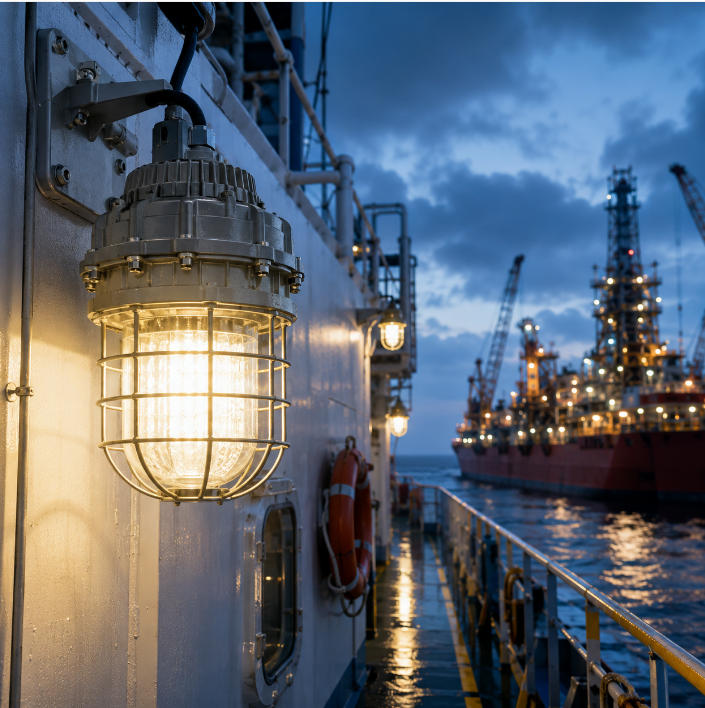
9 Key Types of Explosion-proof Lights for Marine Operations
Explosion-proof lights are used in marine and offshore settings where flammable gases, vapors, or other burnable materials can be present. Tankers, LNG carriers, chemical ships, offshore platforms, drilling rigs, and other marine sites may have classified hazardous…
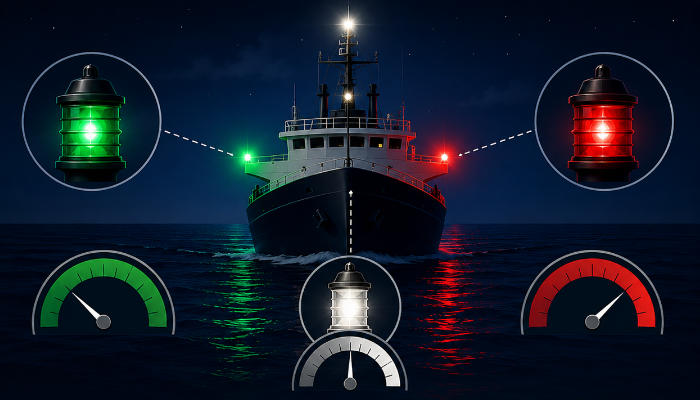
How to Test the Quality of Navigation Lights
Navigation lights are essential safety equipment for any vessel; they help a ship figure out its position, direction, and what it’s doing while things are dark out there, or when visibility is bad. A good set…
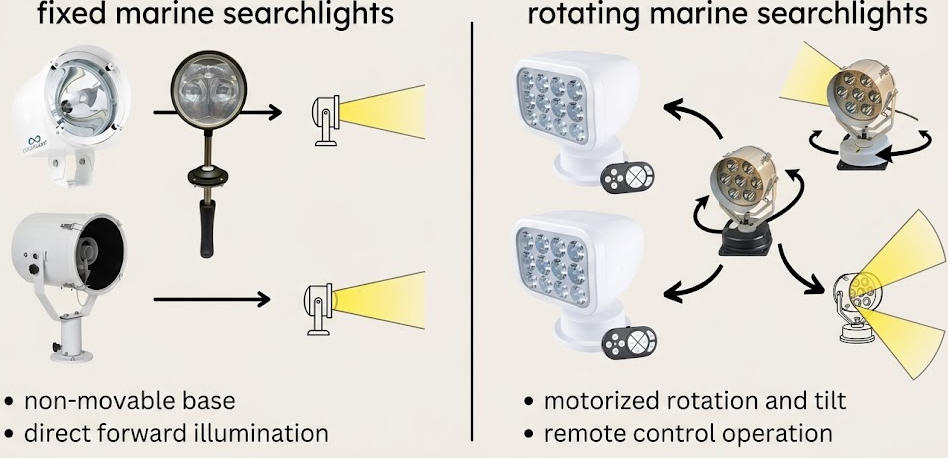
Fixed vs Rotating Marine Searchlights: 7 Key Differences
Marine searchlights are lighting units used for boats and other sea work. They are placed on ships, offshore platforms, coast guard boats, and similar sites. Their goal is to improve visibility during nighttime navigation, search and rescue…
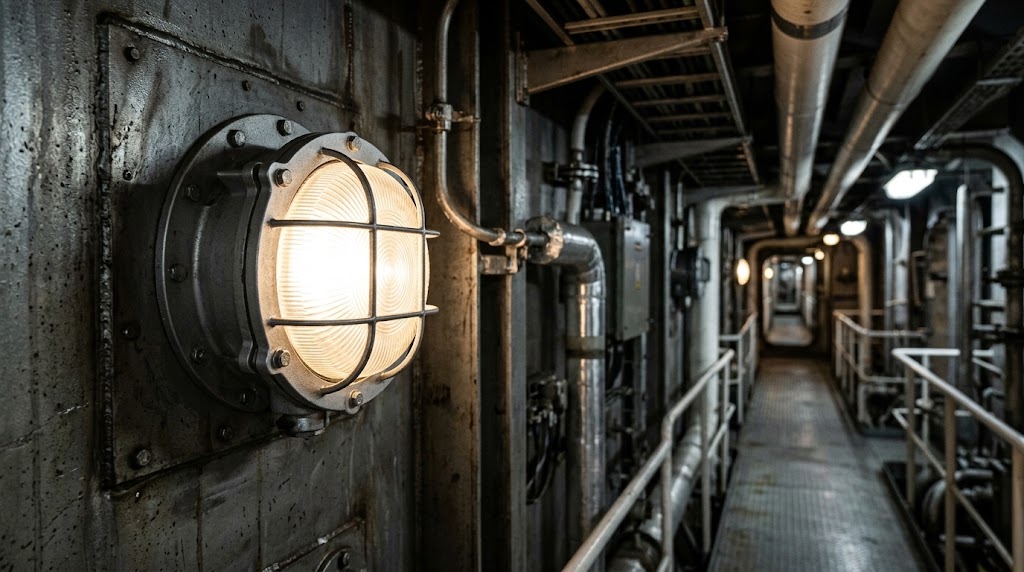
Marine Lighting Replacement: How to Verify Electrical Compatibility
Replacing a damaged or outdated marine light may appear to be a simple maintenance task. However, a replacement fixture should not be selected based only on its appearance, mounting dimensions, or wattage. The most important question…
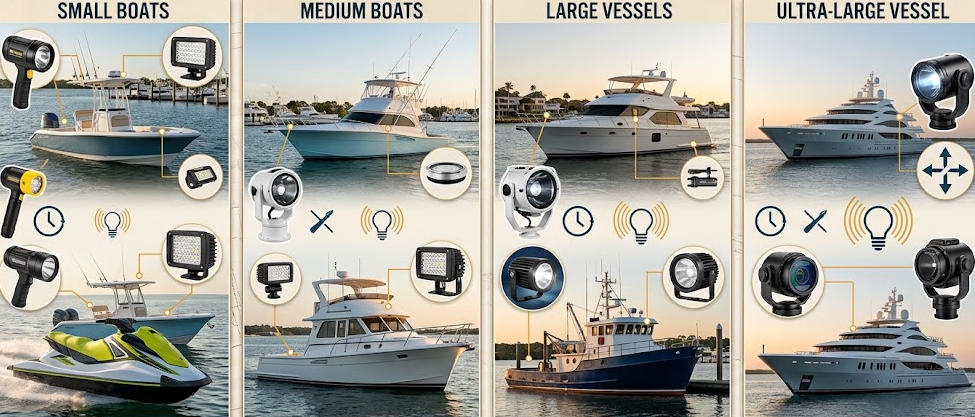
How to Choose Marine Spotlights Based on Vessel Size
Marine spotlights help ships see clearly at night. They support safe travel, docking, anchoring, search work, and other tasks at sea. Even so, choosing a spotlight is not just about getting the brightest light. The vessel size,…
